Blog
White Coat Blood Pressure: Why Office and Home Differ
White coat blood pressure is a rise in your reading caused by nervousness during a medical visit. Mayo Clinic notes that home readings can show whether high numbers happen only in the clinic. A week of careful home logs gives your doctor a second picture, and the doctor decides what it means.
Written by the Melonex numbers deskUpdated · 4 min read

01The effect
What is white coat blood pressure?
White coat blood pressure is a spike in readings caused by nervousness during a medical visit.
Mayo Clinic describes it in those terms: some people have spikes from nerves at the clinic (Mayo Clinic, Blood pressure: Can it be too low or high).
The office number is one snapshot, taken in a stressful setting, often after a walk down a hallway. A home log is many snapshots in your own chair.
Pressure also rises and falls with the hour, the night before and what you ate. One calm reading proves little, and so does one tense one.
Neither number is fake. They answer different questions. That is why clinicians like both.
| Office | Home log | |
|---|---|---|
| Readings | One or two per visit | Many over days |
| Setting | Unfamiliar, timed | Familiar, rested |
| Risk of error | Nerves, rushed start | Cuff size, posture, timing |
| Who interprets | Your clinician | Your clinician |
02Home readings
How do home readings help sort it out?
Home readings show whether your pressure stays high when you are calm, which the office cannot show on its own.
Mayo Clinic says home readings can show whether high numbers occur only in the clinic (Mayo Clinic, Blood pressure: Can it be too low or high). The AHA asks for a validated upper-arm cuff and a written record you bring to appointments (AHA, Home blood pressure monitoring).
A diagnosis needs a clinician and usually two or more readings at separate visits (MedlinePlus, High blood pressure). Your log supports that visit. It does not replace it.
Avoid the traps that fake a white coat effect at home. Our blood pressure numbers guide has the AHA categories. Our post on cuff mistakes lists them, and the log format gives you a page to bring.
03Four steps
How do you add a capsule without muddying readings?
List your medicines first, keep one fixed slot for the capsule and review at day 30 so your log stays clean.
A new supplement is a new variable. If your home numbers are what your doctor is watching, change one thing at a time and write down the start date.
The stepper below shows the routine for the Melonex capsule. The same discipline helps any new habit, and the 30-day check-in page shows how to review it.
- 01
List your medicines
Before the first capsule, write down every pill you take and show the list and the bottle to your doctor or pharmacist. Blood-pressure drugs, nitrates and ED drugs matter most.
- 02
One capsule, 8 oz of water
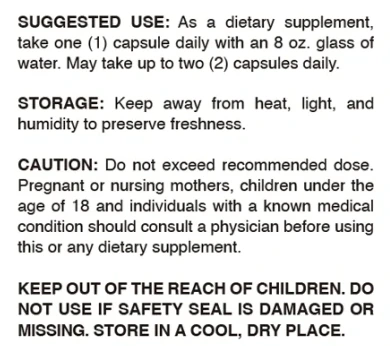
Swallow one capsule with a full 8-ounce glass of water, as the label says. Check the safety seal on a new bottle first.
- 03
Same slot every day
Pair it with something you already do every day. The label allows up to two capsules a day; it never says more.
- 04
Check in at day 30 and before 60
Log your home cuff readings and how you feel. The seller's money-back window closes at day 60, so decide before then.

04At the visit
How can you stay calmer at the clinic?
Arrive early, sit for five minutes, skip caffeine and ask for a repeat reading if you were rushed.
The same rules that protect a home reading help in the office. Skip caffeine and tobacco for 30 minutes and use the restroom first (Mayo Clinic, Blood pressure: Can it be too low or high).
- Arrive ten minutes early and sit
- Keep your back supported and legs uncrossed
- Do not talk during the cuff inflation
- Ask for a repeat reading if you hurried in
Poor sleep can push readings up too; see our post on sleep and blood pressure.
Do not skip a dose before a visit to get a lower number. Tell your doctor what you take, supplements included.
05Supplement check
Where does a supplement fit in this picture?
A supplement is something to list for your doctor, not a way to change an office reading.
Melonex carries the starred label words "Heart Support*" and "Circulation Support*", and the asterisk says the statements are not evaluated by the FDA. No trial tested the product. See the full claims versus evidence page.
Label wording is not a result. The seller's own FAQ says the ingredients "support blood pressure health," and that is a sales claim, not a finding. Ask your doctor before you add it if you take any blood pressure medicine.
If you take it, add its name and start date to your log and tell your doctor.


Prices listed on the seller's order page; confirm at checkout. The 2-bottle kit costs $158, with $9.99 shipping. Ask your doctor about your medicines first. 60-day money-back guarantee per the seller.
Melonex is not a treatment; it is a dietary supplement. Ask your doctor or pharmacist first if you take blood-pressure medicine, nitrates for chest pain, an erectile-dysfunction drug such as sildenafil or tadalafil, a potassium-sparing diuretic (amiloride, spironolactone, triamterene), a blood thinner, or diabetes medicine, or if you have had a recent heart attack. Arginine and citrulline can add to these. Keep taking prescribed medicine. See side effects and interactions.
06FAQ
Melonex questions people ask
Can white coat blood pressure be diagnosed at home?
No. Home readings give evidence, but a clinician makes the call after reviewing office and home numbers together. Bring a written log from a validated upper-arm cuff and let your doctor interpret the pattern.
Why is my blood pressure higher at the doctor than at home?
Nervousness is one common reason, as Mayo Clinic notes. Rushing in, a full bladder or recent caffeine can add to it. Home logs let your doctor compare calm readings with the office number.
Does white coat blood pressure mean I can ignore the office number?
No. Treat the office number as one data point and the home log as another. Your doctor weighs both, so bring the log and keep taking prescribed medicine until they tell you otherwise.
How many home readings does a doctor want to see?
Many want a week or more of morning and evening sessions, with two or three readings each. Ask your own clinician, since needs differ. Write down the date, time, both numbers and any note.
07Who wrote this
Written and reviewed by
Pages built from the label, the seller's materials and linked NIH, FDA, CDC, AHA, FTC and peer-reviewed sources.
Last updated . Read how we write and how we check reviews. This website is run by Melonexheart, which describes itself as a U.S. authorized Melonex merchant. It is not the manufacturer or the label's distributor, and we cannot independently verify the 'authorized' status. We are paid when you buy through our order links.

+Keep reading
More about Melonex

U.S. authorized Melonex merchant
Ready to try Melonex?
Show the bottle to your doctor or pharmacist first, then pick a pack. Six bottles cost the least per bottle, and the seller lists a 60-day money-back guarantee on every pack.
- Secure checkout
- 60-day money-back
- Ships from the U.S.